Iran War Updates: IRGC Closes Hormuz Strait Until US Blockade Lifted
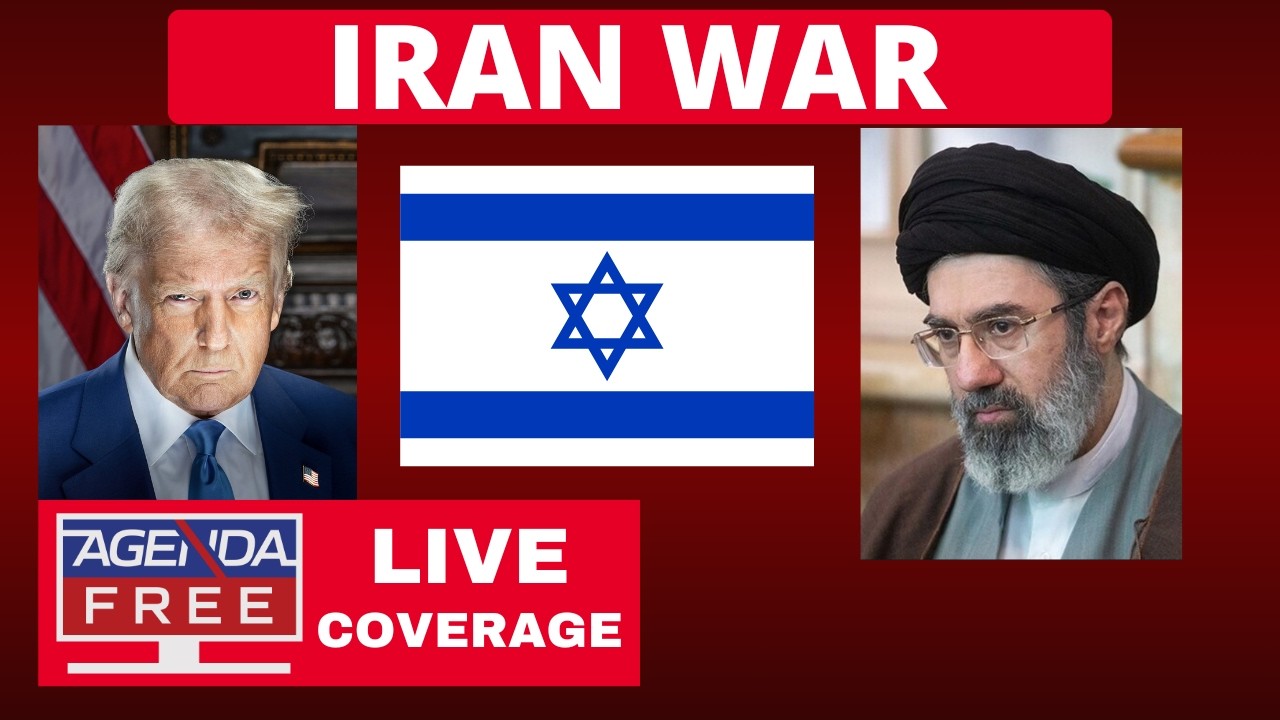
The **Iranian Revolutionary Guard Corps (IRGC)** has announced the closure of the **Strait of Hormuz** until the **US blockade** is lifted. This move is a signi
Summary
The **Iranian Revolutionary Guard Corps (IRGC)** has announced the closure of the **Strait of Hormuz** until the **US blockade** is lifted. This move is a significant escalation in the ongoing conflict between **Iran** and the **US-Israel alliance**. The Strait of Hormuz is a critical waterway for international oil trade, and its closure could have far-reaching consequences for the global economy. [[iran|Iran]] has been under intense pressure from the **US** and its allies, with **sanctions** and **military threats** being used to try and curb its **nuclear program**. The situation is being closely watched by other countries in the region, including **Saudi Arabia** and **Iraq**, who are concerned about the potential for the conflict to spread. [[middle-east|Middle East]] experts warn that the closure of the Strait of Hormuz could lead to a significant increase in **oil prices**, which would have a devastating impact on the global economy. The **US** has been trying to build a coalition to counter **Iran's influence** in the region, but so far, it has had limited success. The **European Union** has been trying to salvage the **Iran nuclear deal**, but its efforts have been hindered by the **US withdrawal** from the agreement. As the situation continues to escalate, there are fears that the conflict could spread to other parts of the region, drawing in other countries and leading to a wider **war**. [[us-foreign-policy|US foreign policy]] experts are warning that the situation is becoming increasingly volatile and that a diplomatic solution is needed urgently to prevent further escalation.
Key Takeaways
- The IRGC has announced the closure of the Strait of Hormuz
- The US has imposed sanctions on Iran
- The conflict between Iran and the US-Israel alliance has significant implications for the Middle East region and the global economy
- A diplomatic solution is needed urgently to prevent further escalation
- The international community must come together to find a peaceful resolution
Balanced Perspective
The situation in the **Middle East** is complex and multifaceted, with various countries and interests at play. The closure of the Strait of Hormuz is a significant development, but its impact will depend on a range of factors, including the response of the **US** and its allies, as well as the actions of other countries in the region. [[oil-prices|Oil prices]] are likely to be affected, which could have significant economic implications for countries around the world. The **US** and **Iran** have a long and complicated history, with periods of tension and conflict punctuated by brief moments of diplomacy. [[us-iran-relations|US-Iran relations]] are likely to remain strained for the foreseeable future, with both sides dug in and unwilling to compromise.
Optimistic View
The closure of the Strait of Hormuz could be a wake-up call for the international community to take a more active role in resolving the conflict between **Iran** and the **US-Israel alliance**. [[united-nations|United Nations]] intervention could help to de-escalate the situation and find a diplomatic solution. The **European Union** could also play a key role in mediating a resolution, given its historical ties with **Iran**. A peaceful resolution would not only benefit the people of **Iran**, but also the entire **Middle East** region, which has been plagued by conflict and instability for decades. [[peace-process|Peace process]] experts believe that a negotiated settlement is still possible, but it will require a willingness to compromise from all parties involved.
Critical View
The closure of the Strait of Hormuz is a catastrophic development that could lead to a wider **war** in the **Middle East**. The **US** and its allies are unlikely to back down, and **Iran** is unlikely to compromise on its **nuclear program**. The situation is becoming increasingly volatile, with other countries in the region being drawn in. [[saudi-arabia|Saudi Arabia]] and **Iraq** are already on high alert, and the potential for the conflict to spread to other parts of the region is very real. The **US** and **Iran** have been on a collision course for years, and the current situation is the culmination of a long series of escalating tensions. [[war-in-the-middle-east|War in the Middle East]] would have devastating consequences for the people of the region, as well as the global economy.
Source
Originally reported by Al Jazeera