Iran-US Tensions Escalate as Strait of Hormuz Impasse Continues
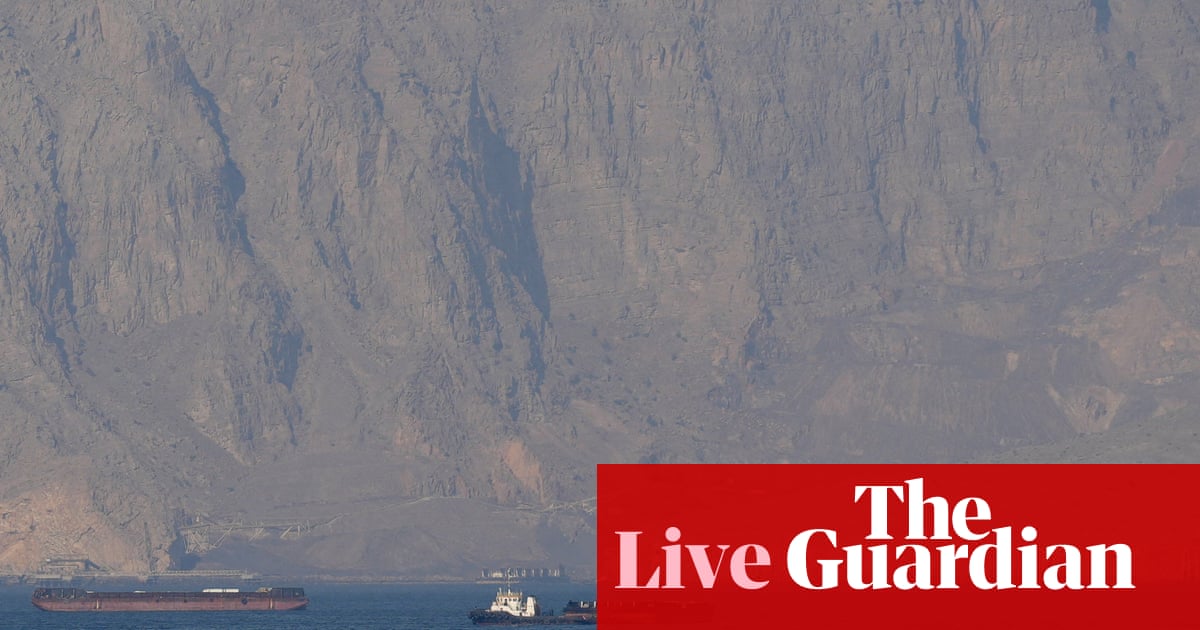
The Strait of Hormuz is a vital waterway for global oil trade, with **over 20% of the world's oil** passing through it every day. The current impasse has signif
Summary
The Strait of Hormuz is a vital waterway for global oil trade, with **over 20% of the world's oil** passing through it every day. The current impasse has significant implications for **global energy markets**, with prices already beginning to rise. The US has been working to **increase oil production** to offset the potential losses, but it remains to be seen whether this will be enough to stabilize the market. As the situation continues to unfold, it is clear that the consequences will be far-reaching, with potential impacts on **global economic stability** and **regional security**. The international community is urging both sides to return to the negotiating table and find a peaceful resolution to the crisis. The **United Nations** has called for calm and restraint, while the **European Union** has offered to facilitate talks between the US and Iran.
Key Takeaways
- The crisis in the Strait of Hormuz is a complex and multifaceted issue, with both the US and Iran having legitimate concerns and interests.
- The closure of the Strait of Hormuz has significant implications for global energy markets and regional stability.
- The international community is urging both sides to return to the negotiating table and find a peaceful resolution to the crisis.
- The US and Iran have a long history of complex relations, and the current crisis is a critical test of their ability to negotiate a peaceful resolution.
- The involvement of other regional players, such as Israel and Lebanon, could potentially further destabilize the region.
Balanced Perspective
The current situation in the Strait of Hormuz is complex and multifaceted, with both the US and Iran having legitimate concerns and interests. The **US blockade** has had a significant impact on Iran's economy, and the country is seeking to **protect its sovereignty**. At the same time, the US is concerned about **Iran's nuclear program** and its potential to destabilize the region. The **international community** is caught in the middle, with many countries dependent on the Strait of Hormuz for their oil supplies. As the crisis continues to unfold, it is clear that a peaceful resolution will require **careful diplomacy** and a willingness to compromise from both sides. The **history of US-Iran relations** is marked by periods of tension and cooperation, and it is unclear which path the current crisis will take. The **role of other regional players**, such as **Saudi Arabia** and **Turkey**, will also be important in shaping the outcome of the crisis.
Optimistic View
Despite the current impasse, there are still reasons to be hopeful about the prospects for a peaceful resolution. **Iran's top negotiator** has stated that the country is still committed to finding a diplomatic solution, and the US has also expressed a willingness to negotiate. Additionally, the involvement of other regional players, such as **Israel** and **Lebanon**, could potentially help to facilitate a resolution. The **international community** is also playing a crucial role in urging both sides to return to the negotiating table. With **careful diplomacy** and a commitment to finding a peaceful solution, it is possible that the crisis can be resolved without further conflict. The **US and Iran** have a long history of complex relations, but there have been moments of cooperation in the past, such as the **Iran nuclear deal**. A similar agreement could potentially be reached again, with the help of **international mediation**.
Critical View
The current impasse in the Strait of Hormuz has significant implications for **regional stability** and **global security**. The **US blockade** has already had a devastating impact on Iran's economy, and the country is becoming increasingly desperate. The **closure of the Strait of Hormuz** is a clear escalation of the crisis, and it is unclear how the US will respond. The **international community** is urging both sides to return to the negotiating table, but it is unclear whether this will be enough to prevent further conflict. The **history of US-Iran relations** is marked by periods of tension and conflict, and it is possible that the current crisis will escalate into a full-blown war. The **consequences of such a war** would be catastrophic, with potential impacts on **global energy markets**, **regional stability**, and **global security**. The **involvement of other regional players**, such as **Israel** and **Lebanon**, could potentially further destabilize the region.
Source
Originally reported by The Guardian