Trump's Struggle to Reopen Strait: Iran Rejects US Blockade
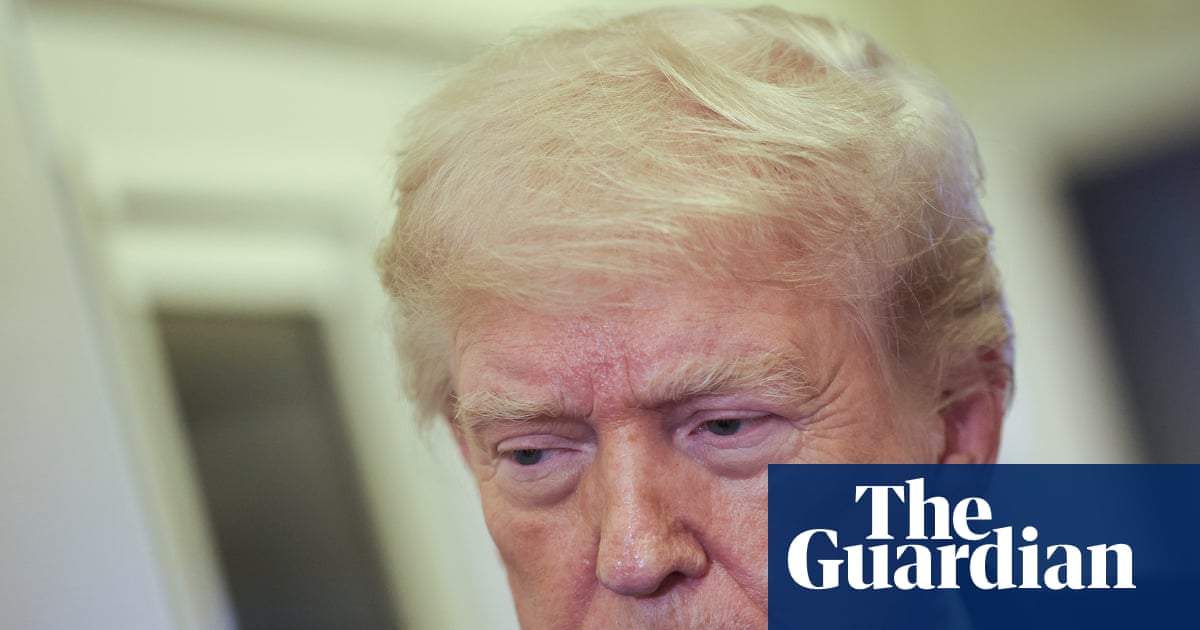
The **Trump administration**'s plans for the strait have been complicated by **Iran**'s rejection of the proposed US blockade. The US has been seeking to assert
Summary
The **Trump administration**'s plans for the strait have been complicated by **Iran**'s rejection of the proposed US blockade. The US has been seeking to assert its influence in the region, but **Iran**'s stance has made it clear that it will not back down. The situation is being closely watched by **international observers**, who are concerned about the potential for escalation in the region. For more information on the topic, see [[middle-east-politics|Middle East politics]] and [[us-foreign-policy|US foreign policy]]. The **global economy** is also closely tied to the situation, as the strait is a critical waterway for international trade. As the situation continues to unfold, it remains to be seen how the US will respond to **Iran**'s rejection of its proposed blockade.
Key Takeaways
- The Trump administration has proposed a blockade of the strait, which has been rejected by Iran
- The situation in the strait has significant implications for global security and the global economy
- The US and Iran have a long history of conflict, and the current situation is unlikely to be resolved easily
- The international community should encourage the US and Iran to engage in diplomatic talks to resolve the situation peacefully
- The outcome of the situation will have significant implications for US-Iran relations and the Middle East region as a whole
Balanced Perspective
The situation in the strait is complex and multifaceted, with both the **US** and **Iran** having legitimate concerns and interests. The **US** is seeking to assert its influence in the region, while **Iran** is seeking to protect its sovereignty and security. For more information on the topic, see [[us-iran-relations|US-Iran relations]] and [[middle-east-geopolitics|Middle East geopolitics]]. The **international community** will be closely watching the situation, as the outcome will have significant implications for **global security** and the **global economy**.
Optimistic View
The **Trump administration**'s efforts to reopen the strait could ultimately lead to increased stability in the region, as a reopened waterway would facilitate the flow of goods and resources. However, this outcome is contingent on **Iran**'s willingness to cooperate with the US, which is currently uncertain. For more information on the topic, see [[trump-administration-foreign-policy|Trump administration foreign policy]] and [[iran-foreign-relations|Iran foreign relations]]. The **US Navy** has a significant presence in the region, and its role in maintaining security in the strait will be critical to the success of the US's plans.
Critical View
The **Trump administration**'s plans for the strait are likely to escalate tensions in the region, as **Iran** is unlikely to back down in the face of US pressure. The situation has the potential to spiral out of control, with significant consequences for **global security** and the **global economy**. For more information on the topic, see [[iran-us-conflict|Iran-US conflict]] and [[middle-east-conflict|Middle East conflict]]. The **US** and **Iran** have a long history of conflict, and the current situation is unlikely to be resolved easily.
Source
Originally reported by The Guardian