US Reasserts 2025 Strikes 'Obliterated' Iran's Nuclear Programme
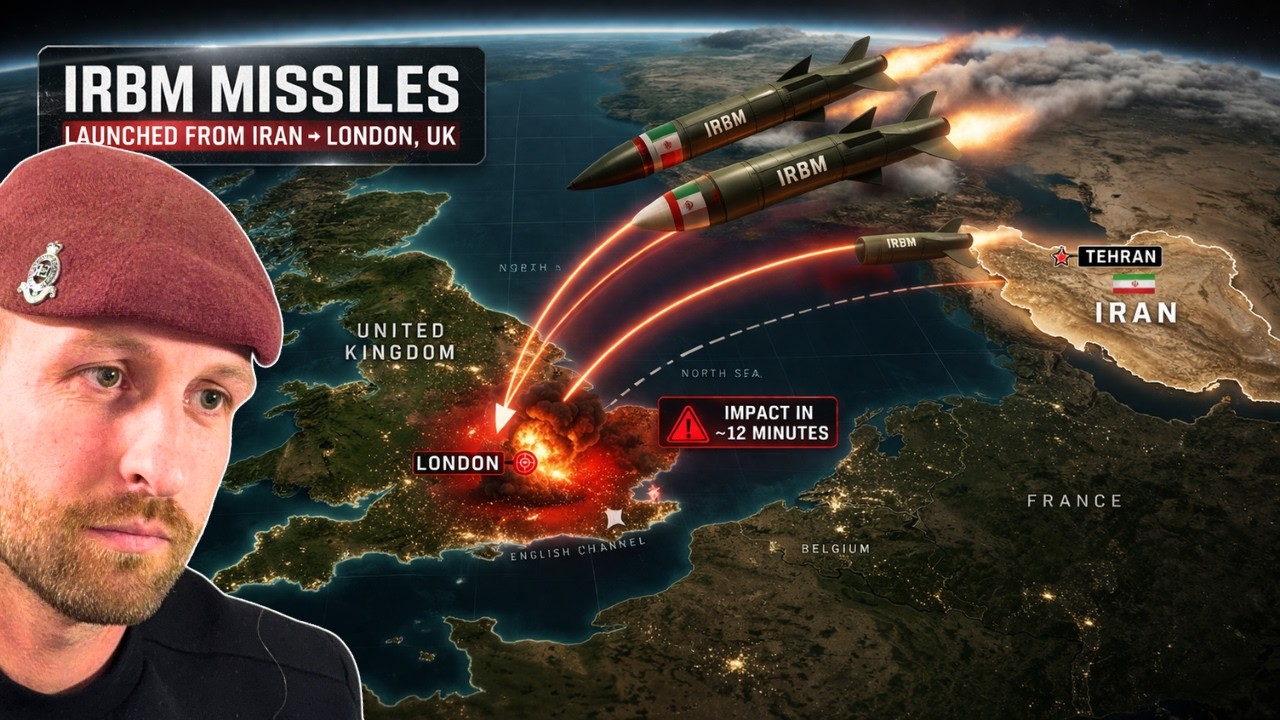
The White House has reaffirmed that the **2025 strikes** against **Iran**'s nuclear facilities, known as **Operation Midnight Hammer**, were successful in destr
Summary
The White House has reaffirmed that the **2025 strikes** against **Iran**'s nuclear facilities, known as **Operation Midnight Hammer**, were successful in destroying the country's nuclear programme. This comes after a senior **Trump** aide, **Steve Witkoff**, claimed that **Iran** is just a week away from having material for a nuclear bomb. The **International Atomic Energy Agency (IAEA)** has not been able to assess **Iran**'s nuclear sites since the US strikes. The **US** and **Iran** are set to hold the third round of negotiations this year to push for a nuclear deal. The **US** attack on **Iran**'s nuclear facilities was part of a 12-day war initiated by **Israel** in June 2025. Since then, **Trump** has repeatedly hailed the attack as a success, arguing that it eliminated **Iran**'s nuclear programme and led to 'peace' in the Middle East. However, **Iran** denies seeking a nuclear weapon and has said it would agree to minimal uranium enrichment under strict **IAEA** supervision in exchange for lifting sanctions against its economy.
Key Takeaways
- The US launched strikes against Iran's nuclear facilities in June 2025
- The IAEA has not been able to assess Iran's nuclear sites since the US strikes
- The US and Iran are set to hold the third round of negotiations this year to push for a nuclear deal
- The situation with Iran's nuclear programme is complex, with conflicting claims from the US and Iran
- The threat of another war in the region remains high
Balanced Perspective
The situation with **Iran**'s nuclear programme is complex, with conflicting claims from the **US** and **Iran**. While the **US** claims that the 2025 strikes destroyed **Iran**'s nuclear programme, **Iran** denies seeking a nuclear weapon and has said it would agree to minimal uranium enrichment under strict **IAEA** supervision. The **IAEA**'s inability to assess **Iran**'s nuclear sites since the US strikes has created uncertainty about the current state of **Iran**'s nuclear programme. [[iaea|International Atomic Energy Agency]] and [[iran-nuclear-programme|Iran's Nuclear Programme]] are crucial to understanding this topic.
Optimistic View
The **US** strikes against **Iran**'s nuclear facilities may have been a successful deterrent, preventing **Iran** from developing a nuclear weapon. The **IAEA**'s verification of the destruction of **Iran**'s nuclear programme is a positive step towards ensuring regional stability. The upcoming negotiations between the **US** and **Iran** could lead to a nuclear deal, which would be a significant achievement for **Trump**'s administration. [[iran|Iran]] and [[trump|Trump]] are key players in this scenario.
Critical View
The **US** strikes against **Iran**'s nuclear facilities may have only temporarily set back **Iran**'s nuclear programme, and **Iran** may be closer to developing a nuclear weapon than the **US** claims. The recent claim by **Steve Witkoff** that **Iran** is just a week away from having material for a nuclear bomb is concerning and highlights the ongoing tensions between the **US** and **Iran**. The lack of progress in negotiations between the **US** and **Iran** is a worrying sign, and the threat of another war in the region remains high. [[us-iran-relations|US-Iran Relations]] and [[nuclear-proliferation|Nuclear Proliferation]] are key concerns.
Source
Originally reported by Al Jazeera