
Contents
Overview
Oil prices refer to the global market cost of a barrel of crude oil, typically benchmarked by grades like West Texas Intermediate (WTI) or Brent Crude. These prices are a critical indicator of global economic health, influenced by a complex interplay of supply and demand, geopolitical events, and the strategic decisions of major producers like the Organization of the Petroleum Exporting Countries (OPEC). Fluctuations in oil prices have profound ripple effects, impacting everything from transportation costs and manufacturing expenses to inflation rates and consumer spending worldwide. The market is characterized by significant volatility, with prices capable of dramatic swings in response to news, conflicts, or shifts in production levels, making it a focal point for investors, policymakers, and everyday citizens alike.
🎵 Origins & History
The concept of standardized oil pricing emerged in the mid-19th century with the rise of the Standard Oil monopoly, though formal benchmarks like West Texas Intermediate (WTI) and Brent Crude solidified in the 20th century. Early pricing was often dictated by powerful figures like John D. Rockefeller, who controlled vast swathes of production and refining. The post-World War II era saw the increasing influence of OPEC, which began to exert significant control over global supply and, consequently, prices. The oil crises of the 1970s demonstrated the potent geopolitical leverage held by oil-producing nations, fundamentally reshaping international relations and energy policy.
⚙️ How It Works
Oil prices are primarily determined by the global balance between the supply of crude oil and the demand for it. Supply is influenced by factors such as production levels from major oil-producing countries (including OPEC members and non-OPEC nations like Russia and the United States), discoveries of new reserves, the cost and feasibility of extraction (e.g., shale oil extraction), and geopolitical stability in producing regions. Demand is driven by global economic growth, industrial activity, transportation needs, and seasonal factors. The prices of benchmark crudes like WTI and Brent Crude serve as reference points, with other grades priced relative to these benchmarks, often incorporating differentials based on quality and location. Trading occurs on major commodity exchanges like the CME Group and ICE Futures Europe.
📊 Key Facts & Numbers
The price of a barrel of oil can fluctuate dramatically, with historical highs reaching over $147 per barrel for WTI in July 2008. Conversely, prices can plummet, famously falling below $0 per barrel for WTI futures in April 2020 due to a collapse in demand during the COVID-19 pandemic and storage capacity issues. Global oil consumption hovers around 100 million barrels per day, meaning even minor price shifts can represent billions of dollars in daily transactions. The market capitalization of the global oil industry is in the trillions, underscoring its immense economic scale. For instance, a $1 increase in the price of oil can add tens of billions of dollars to global energy expenditures annually.
👥 Key People & Organizations
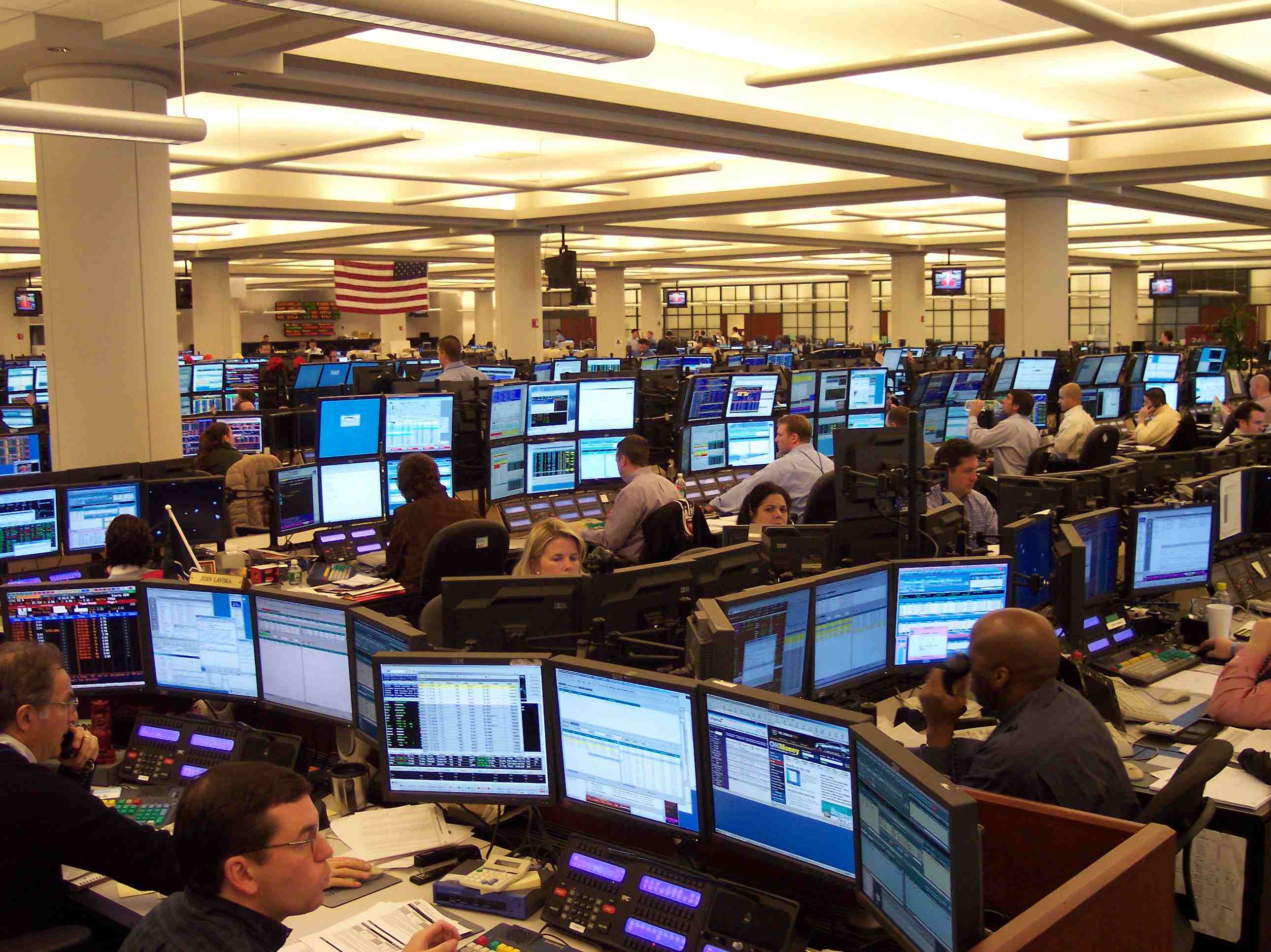
Key organizations and individuals significantly shape oil prices. The Organization of the Petroleum Exporting Countries (OPEC) plays a crucial role through its production quotas, aiming to stabilize the market. Its de facto leader, Saudi Arabia, wields considerable influence. Non-OPEC producers, such as the United States (with its significant shale oil production) and Russia, also impact global supply dynamics. Major oil companies like ExxonMobil, Chevron, and Shell are major players in both production and pricing. Financial institutions and traders on commodity exchanges, including those at the New York Mercantile Exchange (NYMEX), also influence short-term price movements through futures trading.
🌍 Cultural Impact & Influence
Oil prices are deeply embedded in global culture and consciousness, often serving as a proxy for economic well-being and geopolitical tension. The "gas station price" is a daily touchpoint for billions, directly affecting household budgets and consumer confidence. The visual of the oil rig, the tanker ship, and the sprawling refinery are iconic symbols of industrial power and global commerce. Movies and literature frequently feature oil as a plot device, symbolizing wealth, power, and conflict, as seen in films like 'There Will Be Blood' or narratives surrounding the Iraq War. The constant news cycle surrounding oil price fluctuations influences public discourse on everything from climate change to international diplomacy, making it a pervasive cultural touchstone.
⚡ Current State & Latest Developments
As of late 2024, oil prices remain sensitive to geopolitical developments, particularly conflicts in the Middle East and the ongoing war in Ukraine, which affect supply routes and production. OPEC+ continues to manage production levels, balancing market stability with member state revenues. The global transition towards renewable energy sources is a growing factor, though demand for oil in transportation and petrochemicals remains robust, especially in developing economies. Recent trends include increased investment in liquefied natural gas as an alternative and ongoing debates about the pace of EV adoption impacting long-term oil demand projections. The U.S. Energy Information Administration (EIA) regularly publishes forecasts that are closely watched by the market.
🤔 Controversies & Debates
The determination of oil prices is fraught with controversy. Critics argue that OPEC manipulates prices to maximize profits, sometimes at the expense of global economic stability and consumers. The influence of speculative trading on commodity exchanges is another point of contention, with some arguing it can detach prices from fundamental supply and demand. The environmental impact of fossil fuels, intrinsically linked to oil production and consumption, fuels ongoing debates about pricing mechanisms, carbon taxes, and the necessity of transitioning away from oil. Furthermore, the geopolitical implications of oil dependency, particularly for Western nations reliant on imports from politically unstable regions, remain a persistent source of international tension and debate.
🔮 Future Outlook & Predictions
The future of oil prices is uncertain, heavily dependent on the pace of the global energy transition and geopolitical stability. Projections vary widely: some foresee continued demand supporting relatively stable prices, while others anticipate a decline as renewable energy and electric vehicles gain market share, potentially leading to lower prices in the long term. The development of new extraction technologies could also influence supply. Geopolitical flashpoints, however, could trigger sudden price spikes. The strategic decisions of OPEC+ will remain critical, as will the regulatory environment surrounding carbon emissions and fossil fuel investments. Experts at institutions like the International Energy Agency (IEA) offer varying outlooks, with some predicting peak oil demand occurring as early as the late 2020s.
💡 Practical Applications
Oil prices have direct practical applications across numerous sectors. They dictate the cost of gasoline and diesel fuel for transportation, impacting logistics, shipping, and personal travel budgets. Manufacturing industries rely on oil derivatives for plastics, chemicals, and synthetic materials, making price fluctuations critical for production costs. The energy sector itself uses oil prices to guide investment decisions in exploration, extraction, and refining. Furthermore, governments use oil price data to forecast economic growth, manage inflation, and formulate energy policies. For investors, oil futures and related financial instruments offer opportunities for speculation and hedging against price volatility.
Key Facts
- Category
- economics
- Type
- concept